
5 Hot Yoga Myths Busted at Hot Yoga Gladesville

Hot yoga has a way of collecting rumours. Someone tries one class, sweats through a towel, feels amazing afterwards, then suddenly the story grows legs. Before long, beginners hear they need to be bendy, drink litres during class, or expect a set calorie burn every time.
At Hot Yoga Gladesville, we see the real version every week. People arrive with different bodies, fitness levels, injuries, ages, energy levels, and reasons for being there. That’s exactly how it should be.
So let’s debunk five common hot yoga myths, with no hype and no scary rules.

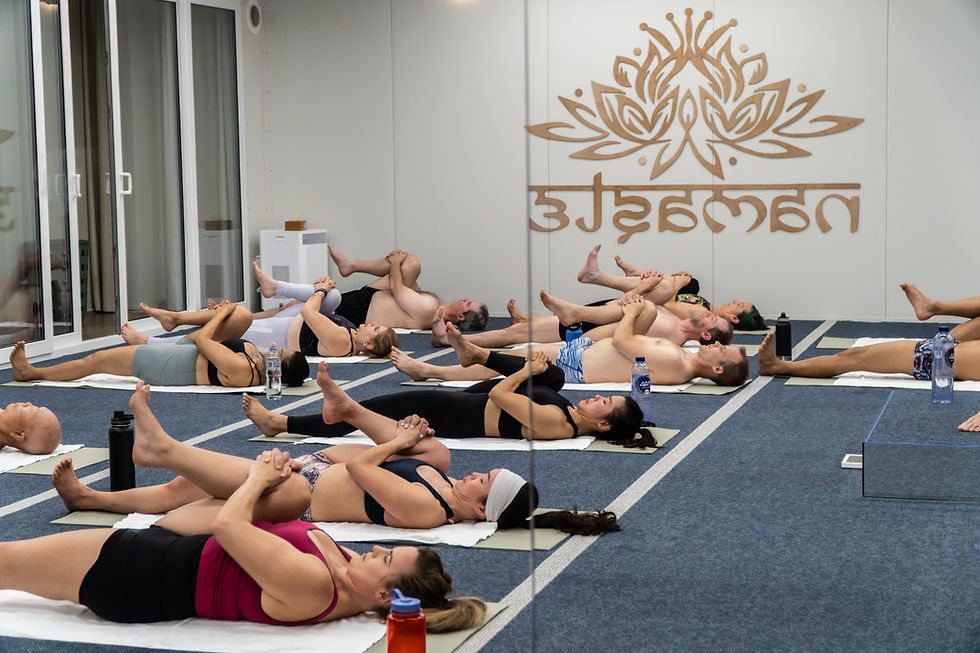
Myth 1. You need to be flexible to start hot yoga
This is probably the biggest myth of all.
You don’t need to touch your toes. You don’t need to fold yourself in half. You don’t need to arrive with a “yoga body”, whatever that’s supposed to mean.
Flexibility is something that can improve with steady practice, but it’s not the entry ticket. In a Bikram-style hot yoga class, the same postures come up each time, so you get to learn them gradually. That repetition helps because you’re not trying to decode a brand-new sequence every class.
Some days, your stretch will feel easy. Other days, your hamstrings will feel like guitar strings. Both are normal.
The real goal is awareness. Can you notice where your body is today? Can you breathe calmly while working with effort? Can you back off before a stretch turns into strain?
That’s the practice.
A good beginner mindset is simple:
Move within a range that feels safe.
Focus on form before depth.
Rest when you need to.
Let flexibility build over time.
No one wins hot yoga by going the lowest in a posture. You get more from showing up regularly and practising honestly.
Myth 2. You sweat out toxins
Sweating feels cleansing. After a hot class, your skin is warm, your towel is soaked, and it’s tempting to say, “I’ve sweated out all the toxins.”
The truth is more grounded.
Sweat is mostly water, with some salt and small amounts of other substances. Your body’s main waste-processing team is your liver and kidneys. They do the heavy lifting day and night, not just during a sweaty class.
That doesn’t mean sweating is pointless. Far from it. Sweating helps your body cool itself. A hot yoga class may also leave you feeling refreshed because you’ve moved, breathed deeply, focused your attention, and taken a break from your phone and daily stress.
Those are real benefits. They just don’t need a detox label.
Think of sweat as your body’s cooling system, not a magic cleaning product.

Myth 3. More water during class is always better
Hydration matters, especially in a heated room. But more water during class isn’t always better.
Drinking huge amounts in the middle of practice can make you feel heavy, sloshy, or nauseous. It can also distract you from breathing and settling into the postures.
A better plan is to hydrate before class, sip if needed during class, then drink steadily afterwards. Health advice in Australia generally supports listening to thirst and replacing fluids across the day, especially around exercise and hot weather.
For most people, that means:
Drink water earlier in the day, not just five minutes before class.
Bring a bottle, but don’t feel you have to finish it.
Sip, rather than gulp.
After class, have water and a normal meal or snack if you’re hungry.
If you sweat a lot, or you’re coming from work, sport, or a hot Sydney afternoon, you may need more fluid. If you have a medical condition or you’re unsure what’s right for you, check with a health professional.
Hot yoga should feel challenging, not like a water-drinking contest.
Myth 4. Hot yoga is only for young, fit people
Walk into a real studio and this myth falls apart quickly.
Hot yoga attracts all sorts of people. Some are strong and sporty. Some are stiff from desk work. Some are returning after time away. Some are managing stress. Some are simply curious.
You don’t need to be young or already fit to begin. What helps is pacing yourself.
A beginner can stand still, sit down, or rest on the mat whenever needed. That’s not failing. That’s practising with common sense.
The heat can make class feel intense, so it’s smart to start gently. Let the teacher know if it’s your first class. Set up where you feel comfortable. Avoid chasing the person next to you. They may have been practising for years, or they may just have very bendy hips.
Hot Yoga, Yogi, Yoga and Bikram communities often talk about discipline, but discipline doesn’t mean pushing through every signal your body gives you. It means coming back, learning, and respecting where you are.
If you’re pregnant, unwell, injured, or dealing with a health condition, get personal advice before starting. Blog posts are helpful, but they’re not a substitute for medical guidance.
Myth 5. You’ll burn a set number of calories
You may have heard that one hot yoga class burns a specific number of calories. It sounds neat, but bodies don’t work that way.
Calorie burn changes from person to person. It can depend on body size, effort, fitness level, how much you rest, the room conditions, and even how familiar you are with the postures. Two people can take the same class and use different amounts of energy.
Wearable trackers can give rough estimates, but they’re not perfect. Heat can also make exercise feel harder, which doesn’t always mean the calorie burn is as high as it feels.
The better reason to practise is broader than numbers on a screen.
Hot yoga can support consistency, strength, balance, focus, body awareness, and a calmer routine. Some people practise because it helps them feel more settled. Others like the structure of the same sequence. Others enjoy walking out knowing they stayed present for the full class.
If weight loss is a goal, hot yoga can be one part of a bigger picture that includes food, sleep, stress, and regular movement. But no single class comes with a guaranteed calorie receipt.
The real story is simpler
Hot yoga doesn’t need myths to make it worthwhile.
You don’t need to be flexible. Sweat isn’t a detox shortcut. Water helps, but only when you use it sensibly. The room isn’t reserved for young athletes. And calorie burn is personal, not fixed.
What matters most is showing up with a bit of curiosity and a willingness to learn. Take your time. Rest when you need to. Come back when you can.
You don’t need to be flexible. You just need to show up.


Comments